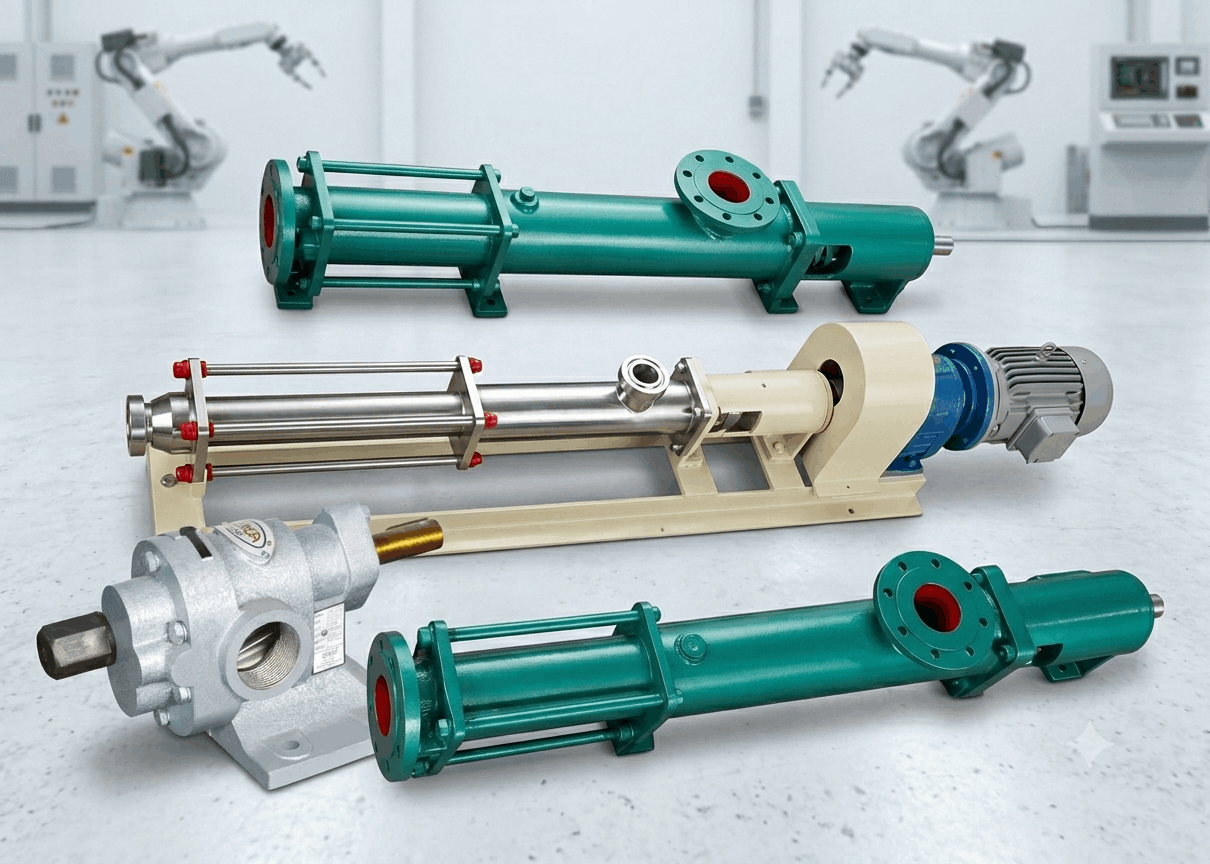
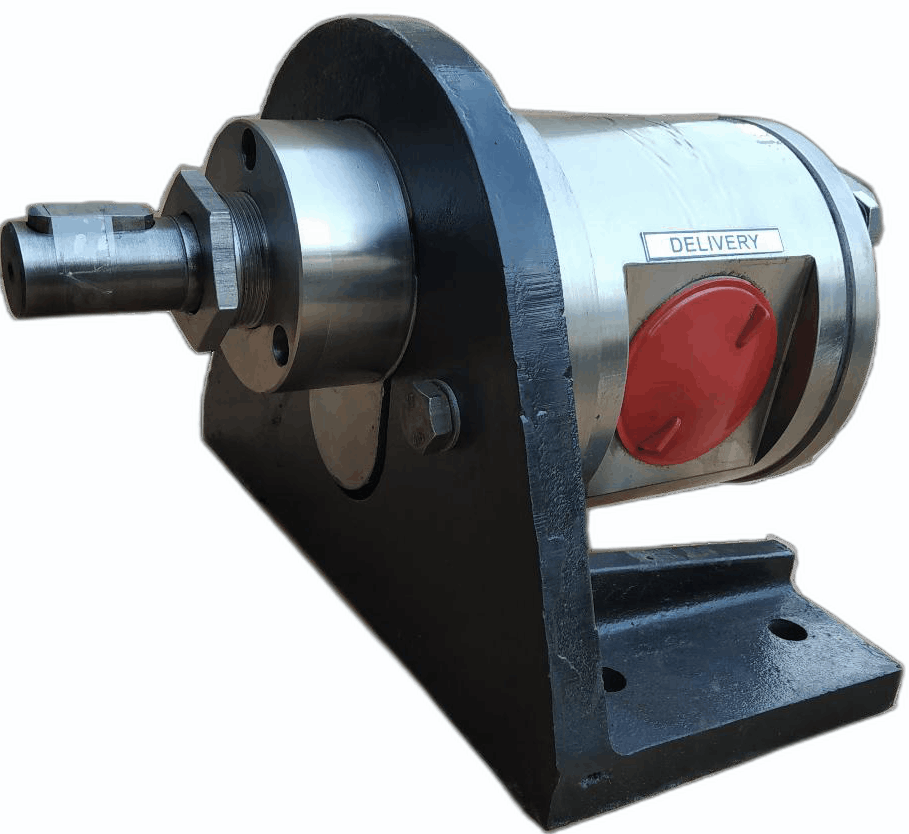
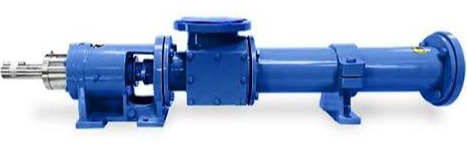
Watershine supplies rotodel rotary gear pumps and progressive cavity pumps for controlled transfer of viscous, shear-sensitive and abrasive fluids. These pump technologies are suited to applications involving oils, polymers, adhesives, resins, asphalt, sludge, slurries, emulsions and other difficult-to-handle liquids. From New Delhi, Watershine supplies industrial gear pump solutions for viscous and difficult fluids to customers across Delhi NCR and India.
Uses intermeshing gears to displace liquid. Internal gear designs feature a "gear-within-a-gear" arrangement for smooth, low-shear pumping of clean viscous liquids. External gear designs operate at higher speeds and pressures for precise oil lubrication and fuel metering.
Best For: Oils, resins, polymers, adhesives, asphalt, paint, and lubricants.
Key Advantage: Compact footprint, reversible flow, and continuous high-pressure capability.
Consists of a single-helical metallic rotor turning inside a double-helical elastomeric stator. As the rotor turns, moving cavities form that carry the medium gently from suction to discharge.
Best For: High-solid slurries, wastewater sludge, shear-sensitive emulsions, sugar syrup, honey, food pastes, and abrasive fluids.
Key Advantage: Handles entrained solids without clogging and prevents fluid degradation.
Rotary gear pumps are a strong option when a compact positive-displacement pump is required for relatively clean viscous liquids and controlled flow. Internal gear designs are commonly used for oils, resins, polymers, adhesives and similar products, while external gear pumps can suit metering and higher-pressure duties.
Progressive cavity pumps use a rotor and stator to move fluid through progressing cavities. They are useful for fluids containing solids, slurries and shear-sensitive products where gentle transfer and consistent flow are important. The correct elastomer and rotor materials depend on the pumped medium.
Pump selection should consider viscosity at actual operating temperature, required flow, differential pressure, solids content, abrasiveness and the sensitivity of the product to shear. Providing these details allows the pump type and materials to be matched more accurately to the process.